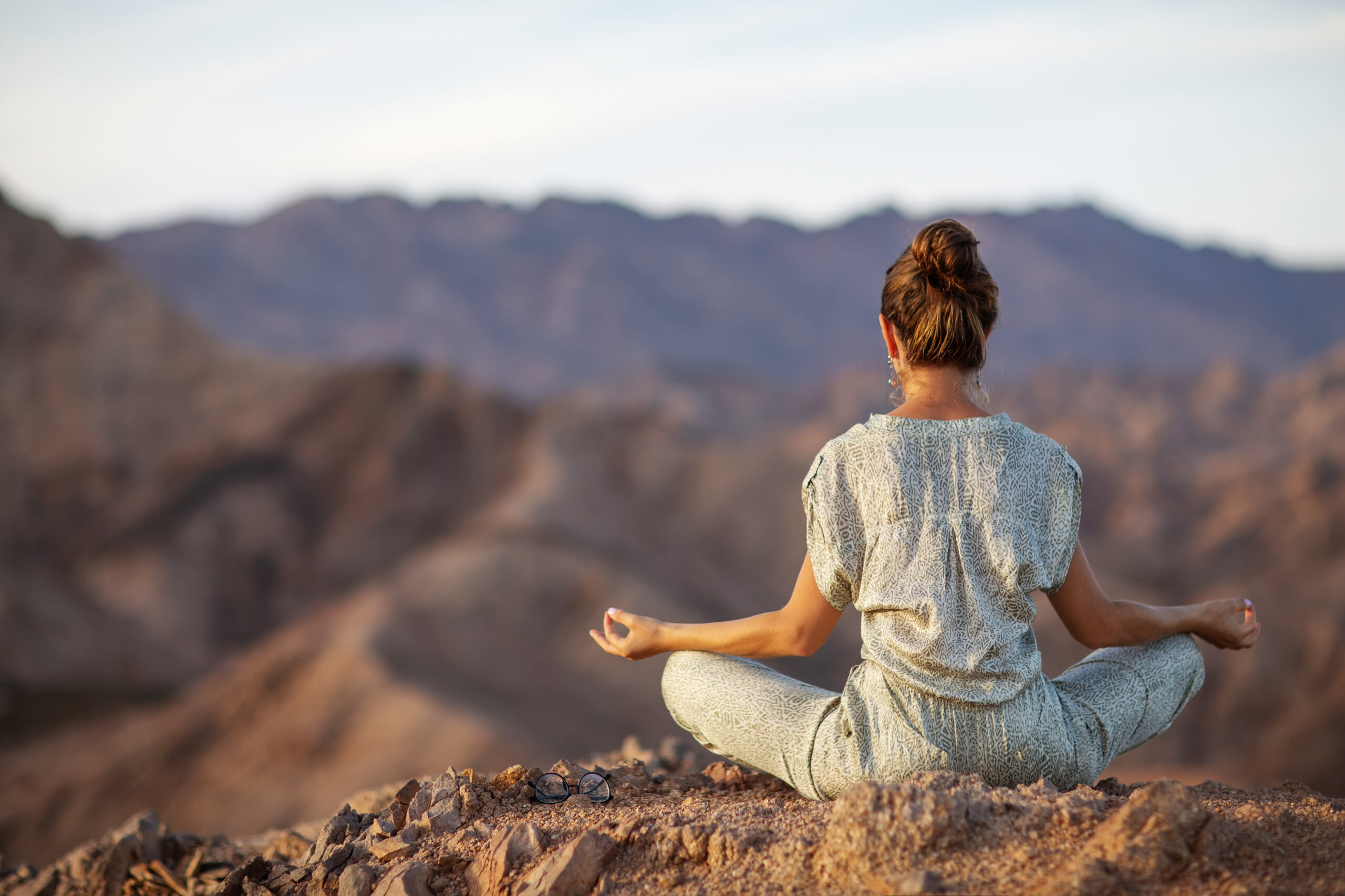
Recovery from addiction and mental health challenges is not only about breaking harmful patterns. It is about rebuilding a sense of inner stability, clarity, and connection to self. For many individuals, this process feels overwhelming at first, especially when emotions have been buried or numbed for a long time. Sacred stillness offers a different starting point. In the quiet openness of the desert, meditation becomes a pathway to grounding, awareness, and healing. At Big Bend Partners, we provide compassionate, individualized addiction recovery and mental health treatment that integrates holistic and faith-based approaches to support long-term wellness.
Why Stillness Matters in Recovery
Stillness is often misunderstood in early recovery. For some, silence can feel uncomfortable or even intimidating. However, stillness is where true awareness begins to develop. Without constant distraction, individuals begin to notice thoughts, emotions, and physical sensations more clearly.
This awareness is essential in addiction recovery. It allows individuals to recognize triggers, understand emotional responses, and create space between impulse and action. Over time, this space becomes the foundation for healthier choices and emotional stability.
Learning to Sit With the Present Moment
Many people in recovery have spent years avoiding difficult emotions through substance use or unhealthy coping mechanisms. Meditation gently reintroduces the ability to sit with the present moment. This does not mean forcing emotions away. Instead, it means observing them with curiosity and compassion.
The Desert as a Natural Setting for Healing
The desert offers a unique environment that naturally supports meditation and reflection. Its vast landscapes, quiet atmosphere, and lack of distractions help calm the mind and encourage inward focus.
Nature That Encourages Emotional Clarity
In the desert, there is less external noise competing for attention. This simplicity allows the mind to slow down. As thoughts settle, emotional clarity begins to emerge. Individuals often find it easier to reflect on their experiences and gain perspective on their recovery journey.
A Space for Resetting the Nervous System
The human nervous system responds strongly to environment. In high stress or overstimulating settings, the body remains in a heightened state of alert. The desert environment helps reduce this tension. Combined with meditation, it supports relaxation, emotional regulation, and a sense of safety.
How Desert Meditation Supports Mental Health and Addiction Recovery
Meditation in a natural setting like the desert is not just a calming practice. It is a practical tool that supports both mental health treatment and addiction recovery.
Improving Emotional Regulation
One of the key challenges in recovery is managing intense emotions without returning to old coping patterns. Meditation helps individuals notice emotions as they arise without immediately reacting to them. This builds emotional resilience and reduces impulsive behavior.
Reducing Anxiety and Stress
Anxiety and stress are common triggers for both substance use and emotional distress. Meditation activates the body’s relaxation response. When practiced regularly, especially in a calm environment, it helps lower baseline stress levels and improves overall mental well-being.
Strengthening Self Awareness
Self awareness is central to recovery. Desert meditation encourages individuals to observe their thoughts and behaviors without judgment. This practice helps uncover patterns that may have contributed to addiction or mental health struggles, making it easier to address them in treatment.
Practical Meditation Techniques in Recovery
Desert meditation does not require advanced experience. Simple, consistent practices can create meaningful change over time.
Breath Awareness Practice
Focusing on the breath is one of the most accessible forms of meditation. By gently bringing attention to each inhale and exhale, individuals can anchor themselves in the present moment and reduce emotional overwhelm.
Grounding Through Sensory Awareness
Engaging the senses helps bring attention back to the present. Noticing the feeling of the ground, the warmth of the sun, or the sound of wind can help stabilize emotions and reduce anxiety during difficult moments.
Reflective Stillness
Allowing time for quiet reflection without distraction helps individuals process thoughts and emotions more clearly. In the desert, this practice feels more natural due to the peaceful environment.
Integrating Meditation Into Holistic Treatment
At Big Bend Partners, recovery is approached as a whole person journey. We combine inpatient and outpatient care with counseling, therapy, and faith-based support to address mental, emotional, and spiritual needs together.
Personalized Recovery for Every Individual
No two recovery journeys are the same. Meditation and mindfulness practices are tailored to each individual’s needs and comfort level. This ensures that care is supportive, practical, and sustainable.
Combining Clinical Care With Holistic Healing
Evidence-based treatment provides structure and clinical support, while meditation enhances emotional awareness and coping skills. Together, they create a balanced foundation for long-term recovery and mental wellness.
Conclusion: Finding Healing in Sacred Stillness
Sacred stillness is not about escaping life. It is about learning to be present with it in a healthier way. Desert meditation offers a powerful opportunity to slow down, reconnect, and build emotional strength. For individuals navigating addiction recovery or mental health challenges, this practice can be a meaningful part of the healing process.
At Big Bend Partners, we are committed to providing compassionate, individualized care that supports healing in mind, body, and spirit. If you or a loved one is ready to take the next step toward recovery, reach out today. In stillness, healing begins, and we are here to walk that path with you.