Monthly Archives: May 2026

Finding Peace in the Open Desert: Mindfulness Practices That Strengthen Recovery and Mental Wellness

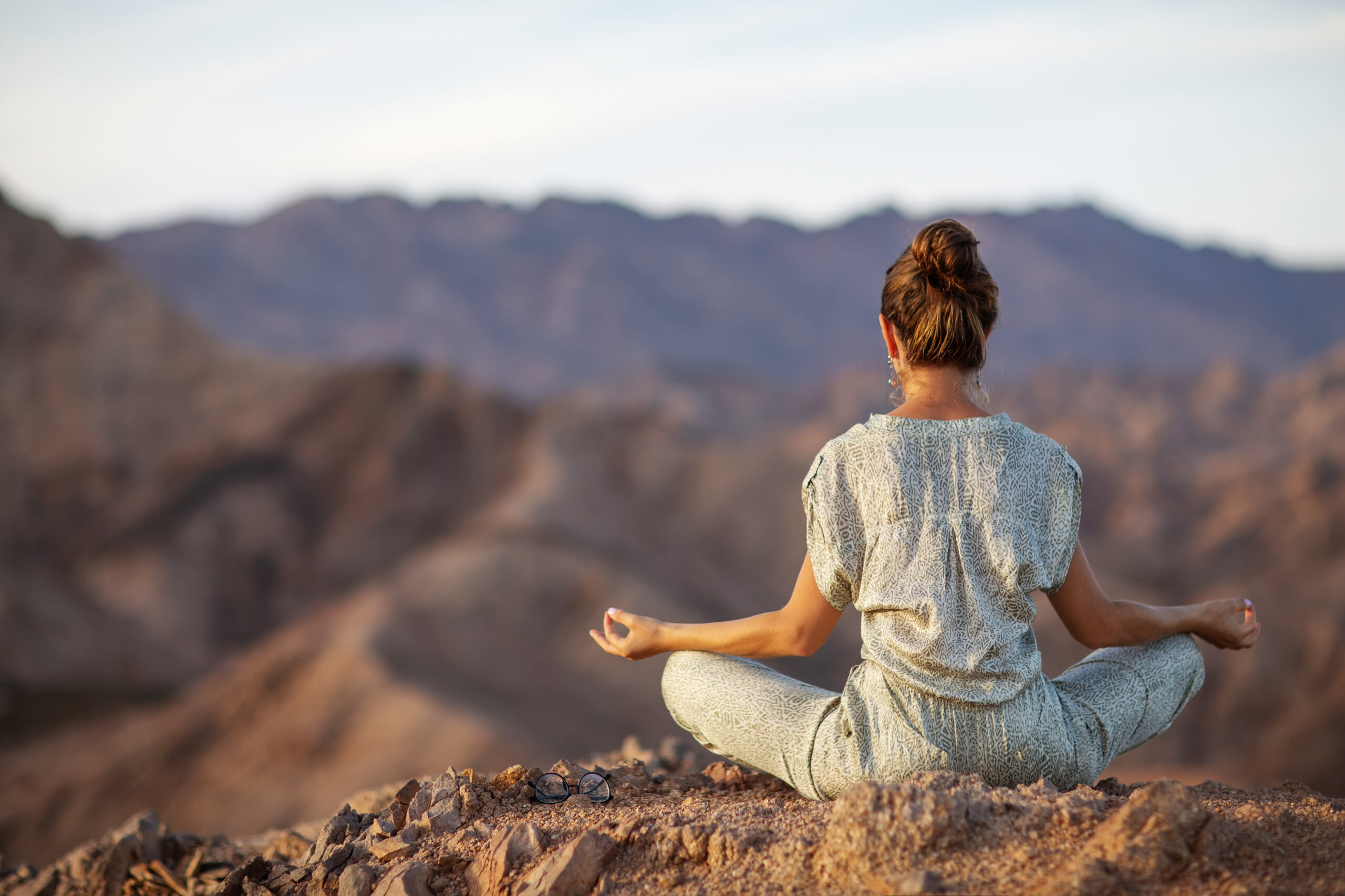
Recovery is not only about overcoming addiction. It is also about learning how to live with greater peace, emotional balance, and self-awareness. For many individuals, the early stages of recovery can feel overwhelming. Stress, anxiety, unresolved trauma, and emotional triggers often surface once substances are no longer being used to numb difficult feelings. Mindfulness offers a healthy and effective way to navigate these challenges. In the quiet openness of the desert, mindfulness practices become even more powerful, creating space for reflection, healing, and renewed strength.

At Big Bend Partners, we believe lasting recovery involves healing the whole person. Through compassionate addiction recovery services, mental health treatment, and holistic care, individuals can develop the tools needed to build long-term sobriety and emotional wellness.

Why Mindfulness Matters in Addiction Recovery

Mindfulness is the practice of paying attention to the present moment without judgment. While this may sound simple, it can have a profound effect on mental health and addiction recovery. Many people struggling with substance use live in a constant cycle of regret about the past or fear about the future. Mindfulness helps shift attention back to the present, where healing and healthy decision-making can take place.

The Connection Between Mindfulness and Emotional Stability

Addiction often develops alongside emotional distress, anxiety, depression, or trauma. Mindfulness helps individuals become more aware of their thoughts and emotions without immediately reacting to them. This pause creates an opportunity to respond in healthier ways rather than turning to substances for relief.

Over time, mindfulness strengthens emotional regulation, reduces impulsive behavior, and improves self-awareness. These skills are essential for maintaining sobriety and supporting mental wellness.

Why the Desert Is Ideal for Reflection and Healing

The desert offers a natural environment that encourages calmness and clarity. Its open landscapes, quiet atmosphere, and slower pace create the perfect setting for mindfulness practices.

Reducing Mental Noise Through Stillness

Modern life is filled with distractions. Constant notifications, busy schedules, and emotional stress can make it difficult to slow down and focus inward. The desert removes much of this external noise, allowing the mind to settle naturally.

In this quiet environment, individuals often feel more connected to their thoughts, emotions, and spiritual well-being. This deeper awareness supports emotional healing and personal growth.

Finding Perspective in Open Spaces

The vastness of the desert can also provide perspective. Challenges that once felt overwhelming may begin to feel more manageable when viewed from a place of stillness and reflection. This sense of openness encourages hope and reminds individuals that recovery is a journey, not a single moment.

Mindfulness Practices That Support Recovery

Mindfulness does not require complicated techniques or years of experience. Simple daily practices can create meaningful changes in emotional and mental health.

Breath Awareness Meditation

Focusing on the breath is one of the most effective mindfulness practices for recovery. Slow, intentional breathing helps calm the nervous system and reduce anxiety. During moments of stress or craving, returning attention to the breath can create a sense of stability and control.

Grounding Through Nature

The desert environment naturally supports grounding exercises. Paying attention to the warmth of the sun, the texture of the ground, or the sound of the wind helps bring awareness back to the present moment. Grounding techniques are especially useful for managing anxiety and emotional overwhelm.

Mindful Walking and Reflection

Walking mindfully through a peaceful outdoor setting encourages reflection and emotional clarity. Instead of rushing from one thought to another, mindful walking helps individuals slow down and observe their surroundings with intention.

Prayer and Spiritual Connection

For many people in recovery, spirituality is an important part of healing. Prayer combined with mindfulness can provide comfort, guidance, and hope. At Big Bend Partners, faith-based support can be integrated into treatment plans to help individuals strengthen both emotional and spiritual wellness.

How Holistic Recovery Supports Long-Term Sobriety

Sustainable recovery requires more than simply avoiding substances. It involves building healthy coping skills, improving mental health, and creating a meaningful life in sobriety. This is why holistic approaches are so valuable.

Treating the Whole Person

At Big Bend Partners, recovery programs address mental, emotional, physical, and spiritual health together. Inpatient and outpatient care plans are personalized to meet the unique needs of each individual. Therapy, counseling, mindfulness practices, and faith-based support work together to create a balanced approach to healing.

Building Healthy Daily Habits

Mindfulness practices learned during treatment can continue supporting recovery long after formal care ends. Meditation, grounding exercises, and reflective practices help individuals manage stress, improve focus, and maintain emotional balance in daily life.

The Long-Term Benefits of Mindfulness in Recovery

Mindfulness is not a quick fix. It is a lifelong skill that grows stronger with consistent practice. Individuals who regularly practice mindfulness often experience lower stress levels, improved emotional resilience, healthier relationships, and greater overall well-being.

For those recovering from addiction, these benefits can make a significant difference in maintaining long-term sobriety and preventing relapse.

Conclusion: Creating Peace Through Mindful Recovery

Finding peace in recovery is possible, even after years of struggle. Mindfulness practices in the open desert provide an opportunity to slow down, reconnect with the present moment, and develop healthier ways of coping with stress and emotion. Through reflection, meditation, and holistic healing, individuals can build a stronger foundation for lasting recovery and mental wellness.

At Big Bend Partners, we are committed to providing compassionate, individualized care that supports healing in mind, body, and spirit. If you or a loved one is seeking support for addiction recovery or mental health treatment, our team is here to help. Reach out today to begin a journey toward peace, clarity, and long-term healing.

Beyond Treatment: How Desert Meditation Enhances Emotional Healing and Long-Term Sobriety

Recovery from addiction and mental health challenges does not end when formal treatment begins. In many ways, that is where the deeper work starts. Clinical care provides structure, safety, and evidence-based support, but lasting sobriety also depends on emotional healing, self-awareness, and inner stability. Desert meditation offers a powerful way to strengthen these foundations. In the quiet and openness of the desert, individuals can move beyond treatment and into a deeper process of transformation. At Big Bend Partners, we provide compassionate, individualized addiction recovery and mental health treatment that integrates holistic and faith-based approaches to support long-term healing.

Why Healing Must Go Beyond Traditional Treatment

Addiction recovery is not only about stopping substance use. It is about rebuilding emotional balance, repairing internal distress, and learning how to live with clarity and purpose. Without emotional healing, individuals may remain vulnerable to stress, triggers, and relapse even after completing treatment.

This is why ongoing practices such as mindfulness and meditation are so important. They help bridge the gap between clinical treatment and everyday life, supporting long-term stability.

The Role of Emotional Healing in Sobriety

Emotional healing involves understanding and processing unresolved feelings, trauma, and behavioral patterns. When these are addressed, individuals gain greater control over their responses to stress and cravings. This creates a stronger foundation for lasting sobriety and mental wellness.

The Desert as a Space for Deeper Healing

The desert offers a unique environment that naturally supports reflection and meditation. Its stillness, simplicity, and vast open spaces encourage individuals to slow down and turn inward.

Stillness That Encourages Emotional Awareness

In the absence of constant noise and distraction, thoughts and emotions become easier to notice. This awareness allows individuals to observe internal experiences without becoming overwhelmed. Over time, this builds emotional resilience and clarity.

Nature That Promotes Grounding and Presence

The desert environment helps individuals reconnect with the present moment. Simple sensory experiences such as feeling the warmth of the sun or noticing the rhythm of breath help anchor attention and reduce emotional reactivity.

How Desert Meditation Strengthens Long-Term Sobriety

Meditation is more than a relaxation technique. It is a practical skill that supports emotional regulation, stress management, and self-awareness. In recovery, these skills are essential for maintaining long-term sobriety.

Building Emotional Regulation Skills

One of the most important benefits of meditation is the ability to pause before reacting. This pause allows individuals to respond to emotions and cravings with intention rather than impulse. Over time, this strengthens emotional control and reduces the risk of relapse.

Reducing Stress and Preventing Relapse

Stress is one of the most common triggers for substance use. Meditation helps calm the nervous system and lower stress levels, making it easier to navigate difficult situations without returning to old coping behaviors.

Increasing Self Awareness and Insight

Desert meditation encourages individuals to observe their thoughts and patterns without judgment. This self-awareness helps uncover underlying triggers and emotional needs, which can then be addressed in therapy and ongoing recovery work.

Practical Desert Meditation Techniques for Recovery

Meditation does not need to be complex to be effective. Simple, consistent practices can create meaningful changes in emotional health and recovery outcomes.

Breath-Focused Meditation

Focusing on the breath helps anchor attention in the present moment. This practice calms the mind, reduces anxiety, and supports emotional balance during challenging times.

Sensory Grounding Practice

Using the senses to stay present is especially powerful in a desert environment. Noticing textures, sounds, and temperature helps reduce mental overwhelm and brings attention back to the body.

Reflective Stillness

Allowing time for quiet reflection without distraction helps individuals process thoughts and emotions more clearly. This practice encourages insight and emotional release in a natural, supportive way.

Integrating Meditation Into Holistic Recovery Care

At Big Bend Partners, recovery is viewed as a whole-person journey. We combine inpatient and outpatient care with therapy, counseling, and faith-based support to address emotional, mental, and spiritual needs together.

Personalized Recovery Planning

Every individual’s recovery journey is unique. Meditation practices are tailored to fit each person’s comfort level, experience, and goals. This ensures that care is both meaningful and sustainable.

Combining Clinical and Holistic Approaches

Evidence-based treatment provides structure and accountability, while meditation enhances emotional awareness and coping skills. Together, they create a balanced approach that supports long-term healing and sobriety.

Conclusion: Moving Beyond Treatment Into Lasting Transformation

True recovery extends beyond treatment into daily life, where emotional strength and self-awareness are continuously developed. Desert meditation offers a powerful tool for this ongoing healing process, helping individuals build resilience, clarity, and inner stability.

At Big Bend Partners, we are committed to providing compassionate, individualized care that supports healing in mind, body, and spirit. If you or a loved one is ready to move beyond treatment and into lasting recovery, reach out today. Real transformation begins within, and we are here to support you every step of the way.

Healing Through Silence: Why the Desert Is a Powerful Space for Prayer, Meditation, and Recovery

Recovery from addiction and mental health challenges often begins with learning how to slow down. Many individuals enter treatment carrying years of emotional pain, stress, trauma, and internal noise. In a world filled with constant distraction, silence can feel unfamiliar. Yet silence has the power to create clarity, restore emotional balance, and support deep healing. The desert, with its quiet landscapes and open space, offers a natural environment for prayer, meditation, and reflection. At Big Bend Partners, we recognize the value of combining evidence-based treatment with holistic and faith-based practices that support healing in mind, body, and spirit.

Why Silence Plays an Important Role in Recovery

Silence creates room for awareness. Without constant stimulation, individuals begin to notice their thoughts, emotions, and physical responses more clearly. This awareness is essential in addiction recovery because it helps people recognize triggers, unhealthy patterns, and emotional needs that may have been ignored for years.

For many people, substance use becomes a way to avoid emotional discomfort. Learning to sit quietly and process emotions in a healthy way is a powerful step toward long-term recovery.

The Connection Between Silence and Emotional Clarity

When the mind is constantly overwhelmed, it becomes difficult to think clearly or make intentional decisions. Silence helps reduce mental clutter and encourages reflection. Over time, individuals often discover greater emotional clarity, which supports healthier coping strategies and stronger emotional resilience.

Creating Space for Self Reflection

Recovery is not only about changing behavior. It is also about understanding the deeper reasons behind addiction and emotional struggles. Quiet moments in nature provide space for self reflection and personal growth. This process helps individuals reconnect with their values, goals, and sense of purpose.

Why the Desert Supports Prayer and Meditation

The desert has long been associated with spiritual reflection and personal transformation. Its simplicity and stillness naturally encourage inward focus and mindfulness.

The Healing Effect of Open Space

Wide open landscapes can create a sense of calm and perspective. Many individuals in recovery feel emotionally trapped or overwhelmed. The openness of the desert often helps people feel less confined by their struggles and more hopeful about the future.

Reducing Distractions and Mental Overload

Modern life is filled with noise, technology, and pressure. The desert environment removes many of these distractions, allowing the nervous system to relax. This makes meditation and prayer more meaningful and accessible.

How Meditation Supports Addiction Recovery and Mental Health

Meditation is not about emptying the mind. It is about developing awareness and learning how to respond to thoughts and emotions with greater calm and control. In recovery, this practice can have a significant impact on both mental health and sobriety.

Managing Stress and Anxiety

Stress and anxiety are common triggers for substance use. Meditation helps regulate the body’s stress response by slowing breathing, calming the nervous system, and improving emotional regulation. These benefits make it easier to navigate difficult moments without turning to substances.

Building Awareness Around Triggers

Mindfulness meditation helps individuals become more aware of emotional triggers and cravings as they arise. Instead of reacting automatically, they learn to pause, observe, and make healthier decisions. This awareness is a critical part of relapse prevention.

Supporting Long Term Emotional Wellness

Regular meditation can improve focus, emotional stability, and overall mental well-being. Over time, these benefits contribute to stronger relationships, healthier routines, and a more balanced life in recovery.

The Role of Prayer in Holistic Healing

For many individuals, prayer is a source of comfort, guidance, and hope. Faith-based practices can provide emotional strength during difficult stages of recovery.

Reconnecting With Purpose and Meaning

Addiction often leaves people feeling disconnected from themselves and others. Prayer can help restore a sense of connection and purpose. In the quiet of the desert, spiritual reflection often feels deeper and more personal.

Integrating Faith With Clinical Care

At Big Bend Partners, faith-based support is integrated alongside evidence-based treatment and individualized care. Prayer and spiritual reflection are used to complement therapy, counseling, and medical support, creating a more complete approach to healing.

Combining Holistic and Clinical Treatment for Lasting Recovery

True recovery involves more than symptom management. It requires healing across emotional, mental, physical, and spiritual levels. That is why holistic practices such as meditation, mindfulness, and prayer can play an important role in long-term recovery.

Personalized Care for Every Individual

No two people experience addiction or mental health challenges in the same way. Treatment plans should reflect each individual’s needs, experiences, and goals. Some may connect strongly with meditation, while others may find healing through prayer or reflective practices.

Building Healthy Coping Skills

The tools learned through meditation and mindfulness can continue supporting recovery long after treatment ends. These practices encourage patience, emotional awareness, and healthier responses to stress.

Conclusion: Finding Healing in the Quiet

Silence has the power to reveal what constant distraction often hides. In the desert, prayer, meditation, and reflection create an opportunity for emotional clarity, spiritual connection, and lasting healing. For individuals facing addiction and mental health challenges, these quiet moments can become an important part of recovery.

At Big Bend Partners, we provide compassionate, individualized care that combines clinical expertise with holistic and faith-based approaches. If you or someone you love is seeking support for addiction recovery or mental wellness, reach out today. Healing begins when we allow ourselves the space to listen, reflect, and move forward with hope.

Sacred Stillness in Recovery: How Desert Meditation Supports Mental Health and Addiction Healing

Recovery from addiction and mental health challenges is not only about breaking harmful patterns. It is about rebuilding a sense of inner stability, clarity, and connection to self. For many individuals, this process feels overwhelming at first, especially when emotions have been buried or numbed for a long time. Sacred stillness offers a different starting point. In the quiet openness of the desert, meditation becomes a pathway to grounding, awareness, and healing. At Big Bend Partners, we provide compassionate, individualized addiction recovery and mental health treatment that integrates holistic and faith-based approaches to support long-term wellness.

Why Stillness Matters in Recovery

Stillness is often misunderstood in early recovery. For some, silence can feel uncomfortable or even intimidating. However, stillness is where true awareness begins to develop. Without constant distraction, individuals begin to notice thoughts, emotions, and physical sensations more clearly.

This awareness is essential in addiction recovery. It allows individuals to recognize triggers, understand emotional responses, and create space between impulse and action. Over time, this space becomes the foundation for healthier choices and emotional stability.

Learning to Sit With the Present Moment

Many people in recovery have spent years avoiding difficult emotions through substance use or unhealthy coping mechanisms. Meditation gently reintroduces the ability to sit with the present moment. This does not mean forcing emotions away. Instead, it means observing them with curiosity and compassion.

The Desert as a Natural Setting for Healing

The desert offers a unique environment that naturally supports meditation and reflection. Its vast landscapes, quiet atmosphere, and lack of distractions help calm the mind and encourage inward focus.

Nature That Encourages Emotional Clarity

In the desert, there is less external noise competing for attention. This simplicity allows the mind to slow down. As thoughts settle, emotional clarity begins to emerge. Individuals often find it easier to reflect on their experiences and gain perspective on their recovery journey.

A Space for Resetting the Nervous System

The human nervous system responds strongly to environment. In high stress or overstimulating settings, the body remains in a heightened state of alert. The desert environment helps reduce this tension. Combined with meditation, it supports relaxation, emotional regulation, and a sense of safety.

How Desert Meditation Supports Mental Health and Addiction Recovery

Meditation in a natural setting like the desert is not just a calming practice. It is a practical tool that supports both mental health treatment and addiction recovery.

Improving Emotional Regulation

One of the key challenges in recovery is managing intense emotions without returning to old coping patterns. Meditation helps individuals notice emotions as they arise without immediately reacting to them. This builds emotional resilience and reduces impulsive behavior.

Reducing Anxiety and Stress

Anxiety and stress are common triggers for both substance use and emotional distress. Meditation activates the body’s relaxation response. When practiced regularly, especially in a calm environment, it helps lower baseline stress levels and improves overall mental well-being.

Strengthening Self Awareness

Self awareness is central to recovery. Desert meditation encourages individuals to observe their thoughts and behaviors without judgment. This practice helps uncover patterns that may have contributed to addiction or mental health struggles, making it easier to address them in treatment.

Practical Meditation Techniques in Recovery

Desert meditation does not require advanced experience. Simple, consistent practices can create meaningful change over time.

Breath Awareness Practice

Focusing on the breath is one of the most accessible forms of meditation. By gently bringing attention to each inhale and exhale, individuals can anchor themselves in the present moment and reduce emotional overwhelm.

Grounding Through Sensory Awareness

Engaging the senses helps bring attention back to the present. Noticing the feeling of the ground, the warmth of the sun, or the sound of wind can help stabilize emotions and reduce anxiety during difficult moments.

Reflective Stillness

Allowing time for quiet reflection without distraction helps individuals process thoughts and emotions more clearly. In the desert, this practice feels more natural due to the peaceful environment.

Integrating Meditation Into Holistic Treatment

At Big Bend Partners, recovery is approached as a whole person journey. We combine inpatient and outpatient care with counseling, therapy, and faith-based support to address mental, emotional, and spiritual needs together.

Personalized Recovery for Every Individual

No two recovery journeys are the same. Meditation and mindfulness practices are tailored to each individual’s needs and comfort level. This ensures that care is supportive, practical, and sustainable.

Combining Clinical Care With Holistic Healing

Evidence-based treatment provides structure and clinical support, while meditation enhances emotional awareness and coping skills. Together, they create a balanced foundation for long-term recovery and mental wellness.

Conclusion: Finding Healing in Sacred Stillness

Sacred stillness is not about escaping life. It is about learning to be present with it in a healthier way. Desert meditation offers a powerful opportunity to slow down, reconnect, and build emotional strength. For individuals navigating addiction recovery or mental health challenges, this practice can be a meaningful part of the healing process.

At Big Bend Partners, we are committed to providing compassionate, individualized care that supports healing in mind, body, and spirit. If you or a loved one is ready to take the next step toward recovery, reach out today. In stillness, healing begins, and we are here to walk that path with you.