Monthly Archives: December 2025

Desert Mindfulness and Mental Clarity: Tools for Emotional Balance During Recovery

Recovery from addiction is a journey that challenges both the mind and the spirit. Stress, emotional turbulence, and lingering anxiety can interfere with healing, making it difficult for individuals to maintain focus and clarity. At Big Bend Partners, we recognize the importance of integrating holistic, faith-based practices into treatment to support mental and emotional wellness. One such practice is desert mindfulness, a powerful tool that leverages the calm and stillness of nature to help clients restore balance, clarity, and peace.


Why the Desert Enhances Mindfulness

The desert is a natural environment that encourages presence and reflection. Its vast, open landscapes and quiet surroundings provide a rare opportunity to slow down and focus inward. For clients in both inpatient and outpatient care, this setting can help reduce distractions and foster a state of mental clarity.

In recovery, the mind is often flooded with racing thoughts, stress, and residual trauma. The desert’s serenity creates a space where individuals can observe these thoughts without judgment, helping them develop a greater understanding of their emotions and behaviors. This kind of awareness is essential for building emotional balance and supporting long-term sobriety.


Desert Mindfulness Techniques for Emotional Balance

H2: Breath Awareness for Stress Reduction

Intentional breathing is a cornerstone of mindfulness practice. Clients are guided to focus on slow, steady inhales and exhales, using the rhythm of the desert environment to anchor attention. This practice calms the nervous system, lowers stress hormones, and helps clients approach challenges with a clearer, calmer mindset.

H2: Sensory Observation to Stay Present

The desert provides countless opportunities to engage the senses. Clients can observe the texture of sand, listen to the rustle of the wind, or notice the patterns of sunlight and shadow. This sensory engagement draws attention to the present moment, reducing rumination on past mistakes or worries about the future.

H3: Journaling to Reinforce Insight

After a mindfulness session, reflecting on the experience through journaling can help consolidate emotional insights. Writing allows clients to process their feelings, track progress, and develop actionable strategies for managing triggers in daily life.

H2: Faith-Based Reflection

Many clients find that integrating prayer or spiritual contemplation into desert mindfulness deepens emotional healing. The quiet, open space of the desert encourages a sense of connection, hope, and purpose. Faith-based reflection aligns with holistic treatment approaches, supporting both spiritual and psychological recovery.


Benefits of Desert Mindfulness in Recovery

Practicing mindfulness in the desert can have profound effects on emotional well-being. Clients often experience:

  • Reduced anxiety and stress levels
  • Increased mental clarity and focus
  • Greater emotional resilience
  • Enhanced coping strategies for triggers
  • Strengthened spiritual connection

By consistently incorporating these practices, individuals develop tools to maintain balance and composure throughout their recovery journey.


Integrating Mindfulness Into Inpatient and Outpatient Care

At Big Bend Partners, mindfulness practices like desert meditation are integrated into individualized treatment plans. In inpatient care, structured sessions provide a safe and supportive environment for clients to learn techniques. Outpatient clients can adapt these methods to natural settings near home or even quiet indoor spaces, ensuring continuity of practice and long-term benefits.


Begin Your Path to Emotional Clarity

Healing from addiction is a holistic process that requires attention to the mind, body, and spirit. Desert mindfulness offers a unique path to emotional balance, mental clarity, and spiritual renewal. By connecting with nature, practicing intentional reflection, and integrating faith-based practices, clients gain tools that support lasting recovery.

If you or a loved one are seeking compassionate, individualized care that combines clinical expertise with holistic healing, Big Bend Partners is here to guide you. Reach out today and take the first step toward clarity, calm, and renewed emotional strength.

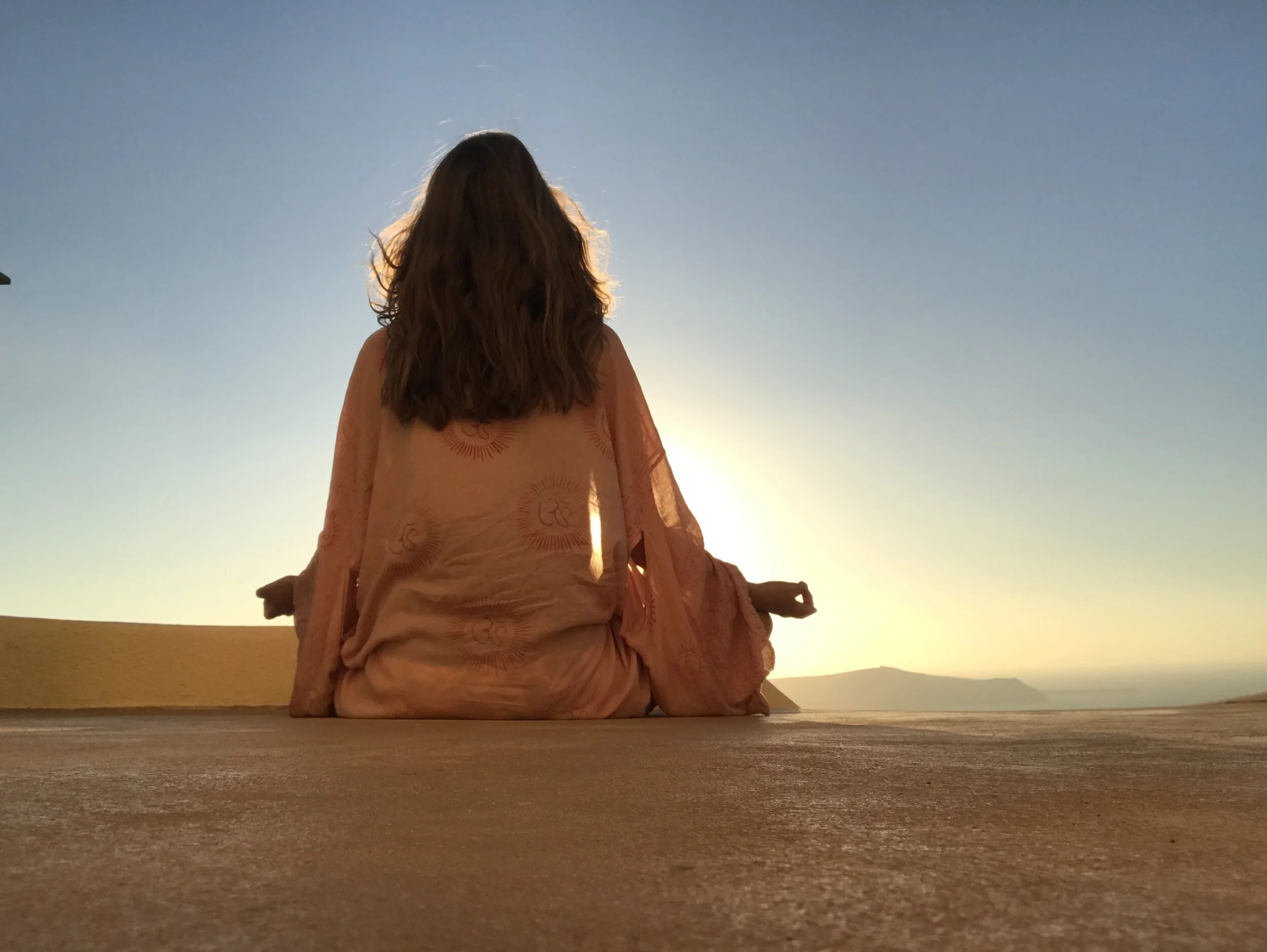
Rebuild Your Inner Strength: Incorporating Desert Meditation into Your Recovery Journey

Recovery from addiction is a process that challenges the mind, body, and spirit. Alongside clinical treatment, individuals need practices that help them rebuild resilience, manage stress, and regain a sense of inner peace. Desert meditation is one such practice that offers profound benefits for those in recovery. At Big Bend Partners, we integrate holistic, faith-based approaches with evidence-based care, and desert meditation has proven to be a powerful tool in supporting long-term mental health and emotional stability.


The Desert as a Catalyst for Healing

The desert provides more than scenic landscapes—it offers a therapeutic environment that encourages reflection, presence, and renewal. Its quiet, open spaces create a natural sanctuary, allowing individuals to step away from the constant noise of daily life. This stillness is especially beneficial for clients in inpatient and outpatient care who are learning to navigate cravings, emotional triggers, and the pressures of everyday living.

Nature itself becomes a teacher in the desert. The wide horizons remind clients that their recovery journey is expansive, and the simplicity of the environment encourages clarity, focus, and mindfulness.


How Desert Meditation Strengthens Recovery

H2: Reducing Stress and Anxiety

Addiction recovery often involves managing lingering anxiety and emotional stress. Desert meditation provides a setting that naturally reduces these pressures. By focusing on the present moment, observing the natural surroundings, and practicing deep, intentional breathing, clients experience measurable relief from stress and mental clutter.

H2: Building Emotional Awareness

Mindfulness meditation in the desert helps individuals recognize thoughts and emotions without judgment. This heightened awareness allows clients to process challenging feelings in a constructive way, strengthening their ability to cope with triggers and avoid relapse.

H3: Practical Mindfulness Techniques

  • Breath Awareness: Focusing on slow, steady breathing anchors attention and calms the nervous system.
  • Sensory Observation: Engaging with sights, sounds, and textures of the desert encourages presence and emotional grounding.
  • Reflective Journaling: Writing down thoughts and insights after meditation reinforces self-awareness and growth.

H2: Spiritual Connection and Faith-Based Healing

For many clients, recovery is also a spiritual journey. Desert meditation naturally aligns with faith-based practices, offering a space for prayer, reflection, and spiritual renewal. These moments of quiet can help individuals reconnect with purpose, strengthen hope, and gain a sense of guidance that supports overall healing.


Integrating Desert Meditation into Inpatient and Outpatient Programs

At Big Bend Partners, desert meditation is incorporated into personalized treatment plans to complement therapy, counseling, and holistic care. In inpatient settings, structured meditation sessions provide safe, supportive opportunities for reflection and stress relief. Outpatient clients can practice meditation in natural settings or adapt the techniques for quiet spaces at home.

The combination of mindfulness, nature immersion, and spiritual reflection fosters resilience, builds inner strength, and equips clients with tools they can carry throughout their recovery journey.


The Benefits of Rebuilding Inner Strength

Desert meditation offers a unique path to emotional balance and clarity. Clients often report:

  • Increased focus and mental clarity
  • Reduced anxiety and emotional tension
  • Enhanced coping skills for triggers
  • A renewed sense of purpose and hope
  • Stronger spiritual connection

By consistently practicing desert meditation, clients strengthen their inner foundation, supporting long-term recovery and mental wellness.


Take the Next Step in Your Recovery

Rebuilding inner strength requires intentional practices that nourish the mind, body, and spirit. Desert meditation provides a powerful tool to support emotional healing, stress management, and spiritual growth.

At Big Bend Partners, our compassionate team combines clinical expertise with holistic, faith-based approaches to guide every client through a personalized recovery journey.

Reach out today and discover how incorporating desert meditation can help you regain balance, resilience, and lasting peace on your path to recovery.

Faith, Nature and Healing: How Desert Meditation Complements Holistic Addiction Treatment

Addiction recovery is a journey that touches every part of the human experience—mind, body, and spirit. At Big Bend Partners, we understand that lasting healing requires more than traditional therapy alone. Holistic approaches that integrate mindfulness, spiritual growth, and connection to nature are essential for creating deep and sustainable change. One such practice that has proven transformative for many clients is desert meditation. By combining the quiet stillness of the desert with faith-based reflection and mindfulness, individuals in recovery find clarity, calm, and renewed purpose.


The Desert as a Healing Environment

The desert is a unique natural setting that supports emotional and spiritual renewal. Its wide-open spaces, silent expanses, and simple beauty provide the perfect backdrop for reflection. In recovery, the mind can often feel cluttered with anxiety, stress, or past regrets. The desert’s stillness encourages individuals to slow down and engage with their thoughts and emotions in a constructive way.

This natural environment not only reduces distractions but also helps clients connect with their inner selves. Whether practicing guided meditation, quiet prayer, or mindful observation, the desert facilitates the kind of focus and presence that is difficult to achieve in everyday life.


Desert Meditation and Holistic Addiction Recovery

Mindfulness as a Core Practice

Mindfulness is a critical component of holistic recovery. Desert meditation helps individuals cultivate awareness of the present moment, allowing them to observe their thoughts without judgment. This practice reduces anxiety, strengthens emotional regulation, and supports relapse prevention by providing practical tools for managing triggers.

Connecting Faith and Reflection

Faith-based recovery emphasizes spiritual growth as a key element of healing. The desert’s natural serenity creates an ideal space for prayer and spiritual reflection. Many clients find that quiet moments in nature strengthen their connection to God, offering guidance, comfort, and motivation throughout the recovery process.

Integrating Spiritual Practices

Clients can incorporate prayer, scripture reading, or contemplative reflection into their desert meditation routines. These practices deepen emotional healing, cultivate hope, and reinforce the holistic approach to recovery. The physical space of the desert mirrors the spiritual openness needed to process emotions and embrace change.

Physical and Emotional Benefits

Desert meditation is not only spiritually restorative; it also supports physical and emotional wellness. Slow breathing and mindful observation help regulate the nervous system, lower stress hormone levels, and promote relaxation. Emotionally, clients experience increased clarity, reduced tension, and a stronger sense of inner peace. These benefits complement traditional clinical therapies and strengthen the overall recovery journey.


Practical Tips for Desert Meditation in Recovery

Start With Guided Sessions
Clients new to meditation can benefit from guided exercises that combine breathing, mindfulness, and reflection.

Focus on the Senses
Engage with the natural surroundings. Notice the warmth of the sun, the sound of the wind, or the texture of the sand. These sensory experiences anchor the mind in the present moment.

Reflect and Journal
After meditation, journaling helps process insights, track progress, and strengthen emotional resilience.


The Synergy of Faith, Nature, and Healing

Desert meditation embodies the intersection of faith, nature, and holistic care. It provides clients with a quiet sanctuary to process emotions, reconnect with spiritual beliefs, and reinforce recovery skills. At Big Bend Partners, we integrate these practices into personalized treatment plans for both inpatient and outpatient clients, ensuring that healing occurs on every level.

The desert teaches that recovery is a journey of presence and reflection. By embracing mindfulness and faith-based meditation in nature, individuals find balance, clarity, and the strength to move forward with purpose.

If you or a loved one is seeking a compassionate, holistic approach to addiction recovery, Big Bend Partners is here to guide you. Reach out today and begin the journey toward emotional renewal, spiritual growth, and lasting healing.

Quiet the Chaos: Desert Meditation Techniques for Clients in Inpatient and Outpatient Care

Finding inner calm is often one of the greatest challenges for individuals navigating addiction recovery and mental health treatment. Stress, racing thoughts, emotional overload, and a constant sense of chaos can make healing feel out of reach. At Big Bend Partners, we understand how critical it is to create spaces where clients can slow down, breathe deeply, and reconnect with themselves. Desert meditation provides exactly that. The calm, open landscape of the desert offers a natural environment where the mind can settle and clients can practice proven techniques that support long-term emotional wellness.

The Desert as a Therapeutic Environment

The desert has a unique ability to quiet mental noise. Its wide horizons, muted colors, and still atmosphere help individuals feel grounded and present. For clients in inpatient and outpatient programs, this environment can enhance treatment by offering a peaceful setting where meditation becomes easier and more meaningful. Instead of fighting distractions or feeling overwhelmed by stimulation, clients can connect with practices that gently regulate the nervous system.

Many of the holistic and faith-based healing approaches used at Big Bend Partners align naturally with the desert experience. Whether through guided meditation, silent reflection, or prayer, clients discover how nature itself can support emotional balance, reduce stress, and increase focus.

Meditation Practices Designed for Recovery

Grounding Awareness Through Breath

Breathwork is one of the simplest and most effective desert meditation techniques. Clients are guided to focus on slow, steady breathing, letting the rhythm of the desert wind help regulate their own internal rhythm. This practice lowers stress, stabilizes heart rate, and supports emotional clarity.

Observing the Landscape to Calm the Mind

Mindfulness meditation in the desert often begins with observation. Clients are encouraged to notice sensations such as the warmth of the sun, the crunch of sand beneath their feet, or the subtle movements of shadows on the ground.

Sensory Engagement

Using sight, sound, and touch helps quiet intrusive thoughts. This sensory grounding teaches clients to shift attention away from stress triggers and toward present-moment awareness.

Silent Reflection for Emotional Release

Silence is one of the desert’s greatest gifts. In recovery, silence creates room for emotions to rise, settle, and be understood without pressure. Clients in both inpatient and outpatient care benefit from the opportunity to slow down and reflect.

Journaling to Support Insight

After a period of quiet reflection, clients may be invited to journal. This helps them process feelings, track progress, and notice patterns in their emotional journey.

Faith-Based Meditation and Prayer

For clients seeking spiritual connection, the desert is a meaningful place to pray or meditate on scripture. The openness of the landscape helps individuals feel grounded and supported as they seek guidance, strength, and inner peace. This practice aligns with the compassionate, faith-based approach offered at Big Bend Partners.

Emotional Benefits for Inpatient and Outpatient Clients

Meditation in the desert creates a powerful shift in perspective. Clients often describe feeling lighter, clearer, and more confident after practicing these techniques. The benefits include:

  • Reduced anxiety
  • Better emotional regulation
  • Stronger ability to manage triggers
  • Increased sense of purpose
  • Enhanced resilience during treatment

By integrating desert-based meditation into structured care plans, clients receive a holistic approach that nurtures mind, body, and spirit.

Creating a Path Toward Lasting Calm

Healing from addiction requires more than clinical treatment. It requires moments of stillness, clarity, and connection. Desert meditation supports recovery by helping clients quiet internal chaos and build the mental strength they need for long-term sobriety and emotional wellness.

If you or someone you love is seeking personalized, compassionate treatment that supports the whole person, Big Bend Partners is here to help. Reach out today to begin a recovery journey grounded in peace, purpose, and the healing power of nature.