Monthly Archives: November 2025

Why Desert Meditation Works: Healing the Mind Through Nature in Recovery

Healing from addiction and managing mental health challenges requires more than treatment alone. It calls for an environment that supports reflection, emotional balance, and spiritual connection. For many individuals, the desert provides that environment. Its quiet landscapes, open horizons, and natural rhythms create an ideal setting for meditation and mindfulness. At Big Bend Partners, we have seen firsthand how desert meditation can accelerate recovery, promote mental clarity, and foster long-term emotional wellness.


The Desert as a Natural Healing Space

The desert is often misunderstood as barren or empty, but in reality, it offers a powerful sanctuary for the mind. Its stillness and simplicity encourage individuals to slow down and focus inward. In recovery, this can be transformative. Anxiety, racing thoughts, and emotional tension often accompany addiction and mental health challenges. The desert provides a calm space where these feelings can be acknowledged, processed, and released.

Beyond its psychological benefits, the desert also fosters spiritual renewal. Many faith-based recovery programs, including those at Big Bend Partners, utilize meditation and reflection in natural settings to support holistic healing. The landscape itself becomes a teacher, guiding individuals toward presence, patience, and perspective.


How Desert Meditation Supports Mental Health

Reducing Anxiety and Stress

Meditation in the desert helps regulate the nervous system, lowering cortisol levels and reducing the physiological effects of stress. Clients often report feeling lighter and more centered after practicing mindful breathing and observation in natural surroundings. This calmness is essential for recovery, as stress can trigger cravings or relapse in individuals working to maintain sobriety.

Enhancing Emotional Awareness

Desert meditation encourages deep reflection, allowing individuals to observe their emotions without judgment. Through this practice, clients develop self-awareness and emotional intelligence, which are critical tools for managing triggers and building resilience in recovery.

Mindfulness Techniques in Nature

Mindfulness exercises, such as focusing on the sensation of the wind, noticing patterns in sand dunes, or listening to distant wildlife, anchor the mind in the present moment. These practices train the brain to let go of intrusive thoughts and cultivate a sense of calm. Over time, mindfulness becomes a skill that clients carry into everyday life, promoting ongoing mental health and emotional stability.


Integrating Faith-Based and Holistic Care

At Big Bend Partners, healing is approached holistically, addressing mind, body, and spirit. Desert meditation complements evidence-based therapies by creating a space for spiritual reflection, prayer, and intentional thought. Clients can process trauma, release guilt, and reconnect with purpose in a setting that inspires peace and perspective.

Individualized care ensures that each client experiences desert meditation in a way that fits their personal journey. Inpatient and outpatient programs can integrate time in nature as a supportive component of a broader recovery plan, combining professional guidance with experiential healing.


Practical Steps to Begin Desert Meditation

Start Small
Even a few minutes of mindful observation or deep breathing in a quiet outdoor space can create significant benefits.

Engage the Senses
Notice textures, sounds, and sights in your environment. Let these sensory cues draw your attention away from stress and into the present.

Reflect and Journal
After meditation, taking a few moments to write down thoughts, insights, or prayers reinforces emotional processing and builds self-awareness.


From Silence to Strength

Desert meditation is more than a relaxation technique—it is a pathway to healing. By combining mindfulness, reflection, and connection to nature, individuals in recovery learn to manage anxiety, build emotional resilience, and cultivate lasting peace.

If you or a loved one is seeking a comprehensive approach to addiction recovery or mental health treatment, Big Bend Partners offers compassionate, individualized care that integrates holistic practices with clinical expertise.

Experience the restorative power of desert meditation. Reach out today to begin your journey toward clarity, balance, and long-term recovery.
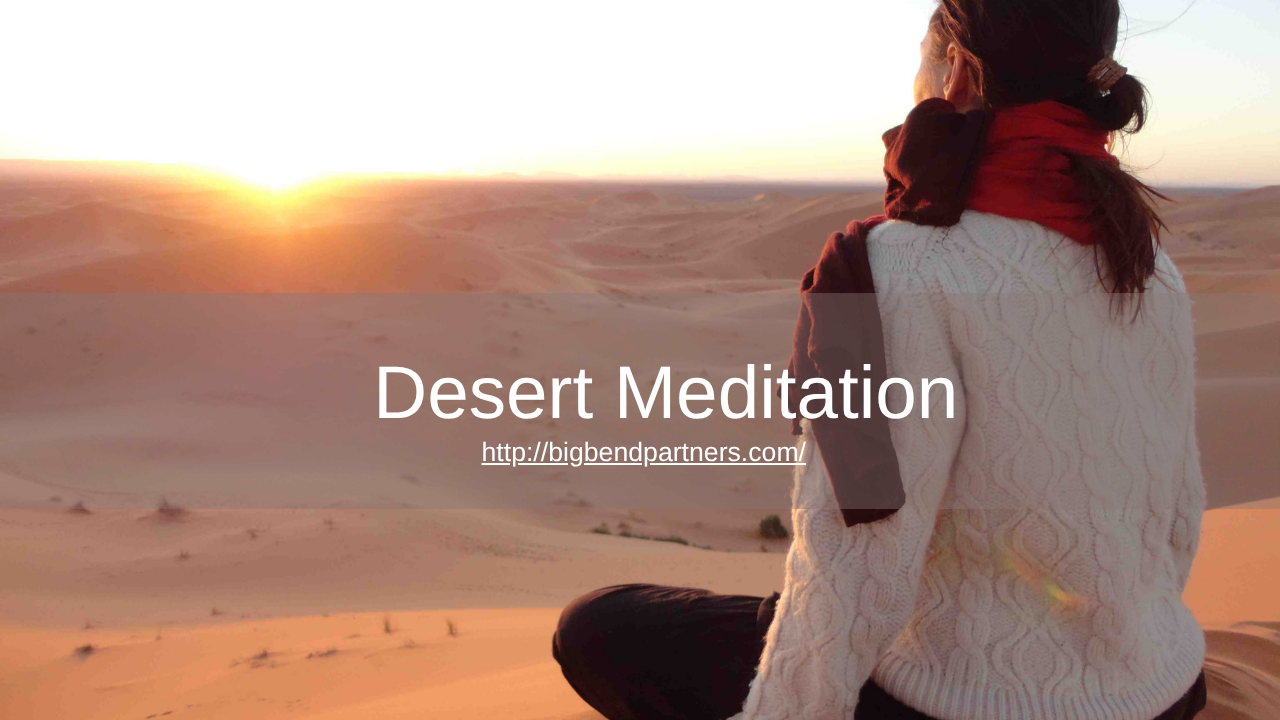
Finding Inner Calm: A Guide to Desert Meditation for Mental-Health Renewal

Finding peace during addiction recovery or mental health treatment often requires stepping away from stress and reconnecting with the quiet within. For many individuals, the desert offers the perfect environment to do exactly that. Its stillness, vast beauty, and natural sense of clarity make it an ideal space for deep reflection and healing. At Big Bend Partners, we recognize how powerful this connection can be, and we integrate holistic, faith-centered practices that support long term emotional wellness. Desert meditation is one of those practices.


Why Desert Meditation Supports Emotional Renewal

The desert has a unique way of stripping life down to what matters most. Without noise, clutter, or constant distractions, individuals can finally slow down and listen to themselves. This simplicity plays an important role in recovery. When the mind is overwhelmed or the heart feels heavy, quiet environments can help restore balance and ease tension.

For those healing from addiction or managing mental health challenges, finding inner calm is not a luxury. It is an essential part of rebuilding stability and purpose. Desert meditation provides a grounded path to that calm by helping individuals reconnect with their breath, thoughts, and sense of hope.


Understanding the Basics of Desert Meditation

What Makes the Desert Ideal for Meditation

The desert is naturally quiet. Its wide open spaces create a sense of perspective that many people struggle to find in everyday life. The gentle rhythm of wind, the warmth of the sun, and the grounding feel of the earth all support deep relaxation. This environment helps participants let go of emotional pressure and settle into a peaceful state of awareness.

Elements of a Simple Meditation Practice

Meditation in the desert does not need to be complicated. In fact, simplicity is what makes it effective. Below are three simple approaches that are often used in holistic recovery settings.

Breath Awareness

Breathing with intention helps calm the nervous system. Slow inhales and steady exhales signal the body to relax, lowering anxiety and improving mental clarity. Practicing this outdoors intensifies the effect, especially in a peaceful natural environment.

Sensory Grounding

Grounding exercises help individuals focus on the present moment. In the desert, this may include observing the texture of rocks, listening to wind patterns, or noticing the warmth of sunlight. These sensations quiet racing thoughts and build emotional resilience.

Reflective Stillness

Many people find peace by sitting quietly and allowing emotions to rise without judgment. Desert stillness creates the perfect backdrop for this kind of internal reflection, supporting healing at a deeper level.


Desert Meditation in Addiction Recovery and Mental Health Treatment

Desert meditation supports the emotional and spiritual aspects of healing. In addiction recovery, individuals often battle fear, guilt, or lingering stress. Meditation helps them slow down and view these emotions with greater clarity. This awareness strengthens coping skills and reduces the internal pressure that can trigger relapse.

For mental health treatment, desert meditation encourages emotional regulation. When practiced regularly, it helps lower anxiety, reduce irritability, and create a sense of inner stability. It also complements faith based care by encouraging spiritual connection and restorative prayer.

Big Bend Partners uses individualized approaches that include therapeutic guidance, mindfulness techniques, and supportive reflection. This ensures that each person experiences healing in a way that suits their personal journey.


Practical Tips for Starting a Desert Meditation Routine

Begin with Short Sessions

Even five minutes of quiet awareness can shift your state of mind. Start small and gradually increase the duration as you grow more comfortable.

Choose a Safe and Comfortable Spot

Find a quiet place with comfortable seating and natural shade. Being physically relaxed helps deepen emotional relaxation.

Bring a Journal

After meditating, writing down thoughts or insights can help reinforce emotional progress and strengthen recovery goals.


A Path Toward Inner Peace and Renewal

Healing takes time, compassion, and a willingness to sit with yourself in the quiet moments. Desert meditation offers all of this and more. It teaches individuals how to reconnect with hope, manage stress with confidence, and rebuild emotional strength through stillness and reflection.

If you or someone you love is searching for a holistic approach to addiction recovery or mental wellness, Big Bend Partners is here to help. Our compassionate, professional team provides personalized care that supports every part of the healing journey.

Reach out today and take the first step toward lasting renewal and inner peace.

From Recovery to Renewal: Using Desert Mindfulness to Manage Anxiety and Stress

Recovery from addiction is not just about breaking free from substances. It is about learning how to live with balance, peace, and clarity. Yet, anxiety and stress often linger long after treatment begins. For many, healing truly deepens in stillness—and there is no better teacher of stillness than the desert. At Big Bend Partners, we believe in holistic, faith-based care that helps individuals find renewal through mindfulness practices that draw inspiration from nature’s quietest places.


The Desert: A Natural Environment for Emotional Healing

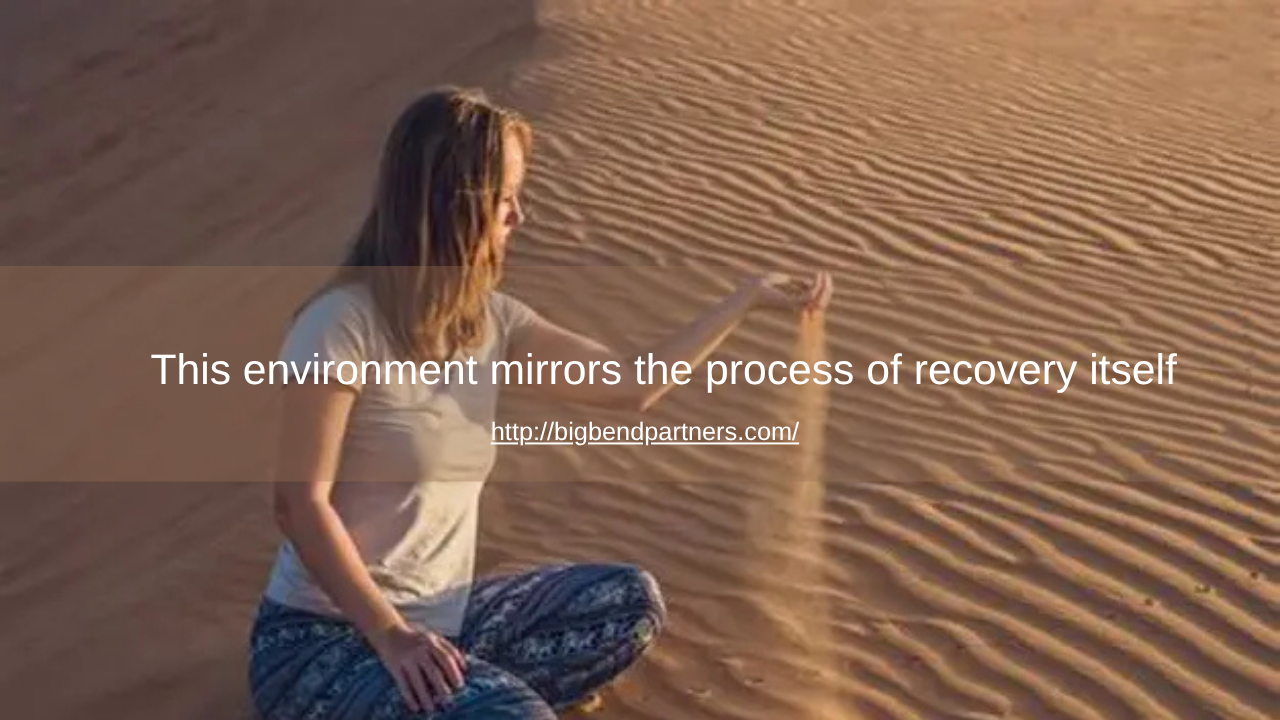
The desert is more than sand and silence. It is a sacred landscape that encourages reflection, calm, and renewal. Away from noise and distraction, the desert allows the mind to slow down and the body to breathe again. This environment mirrors the process of recovery itself—shedding the chaos of the past and embracing simplicity and awareness.

In addiction and mental health treatment, finding peace can be difficult when the mind is constantly racing. Desert mindfulness invites individuals to ground themselves in the present moment. The sound of the wind, the warmth of the sun, and the vastness of open space all help release emotional tension. It becomes easier to see life with clarity, free from the pressures that once fueled addiction and anxiety.


Understanding Desert Mindfulness

Desert mindfulness is the practice of cultivating awareness and peace through the natural stillness of desert surroundings. It is rooted in traditional mindfulness techniques, yet it carries a deeper sense of spiritual connection.

When individuals spend quiet time in nature, focusing on the present moment, they learn to notice their thoughts without judgment. In recovery, this skill is essential. Instead of reacting to stress or fear, mindfulness helps individuals respond calmly and intentionally.

At Big Bend Partners, mindfulness is often woven into therapeutic activities such as guided meditation, prayer, and outdoor reflection. These practices help clients reconnect with their inner strength and rediscover meaning beyond addiction.


Managing Anxiety and Stress Through Mindful Awareness

Anxiety and stress are common challenges in recovery. They can appear suddenly and trigger old habits or emotions. Desert mindfulness offers practical tools to manage these moments with grace.

Breathing exercises are a simple yet powerful way to begin. Deep, steady breathing calms the nervous system and anchors attention in the present. Practicing this outdoors, surrounded by the quiet of the desert, strengthens its impact.

Body awareness is another technique that supports healing. By paying attention to sensations—such as the feeling of sand beneath your feet or the warmth of sunlight—you can bring your focus back to the here and now. This interrupts cycles of rumination and restores mental balance.

Gratitude reflection can also transform stress into peace. Taking a few moments to notice the beauty and stillness around you nurtures a sense of appreciation. Gratitude has been shown to lower stress levels and improve emotional resilience, both vital for lasting recovery.


Faith, Healing, and the Power of Presence

Faith-based recovery reminds us that healing involves more than mental exercises—it is about reconnecting with a higher purpose. In the solitude of the desert, prayer and mindfulness come together naturally. Many who practice stillness in these settings describe a renewed sense of hope and clarity, as if their burdens become lighter under the wide, open sky.

At Big Bend Partners, we honor that connection between faith and healing. Our holistic programs integrate mindfulness with evidence-based care, providing clients with both spiritual renewal and clinical support.


From Chaos to Calm: A New Way Forward

Recovery is a lifelong journey, and true renewal comes from within. By embracing desert mindfulness, individuals can find peace that lasts—peace that goes beyond recovery and into everyday life. The stillness of the desert teaches what the world often forgets: that healing happens when we slow down, breathe deeply, and trust the process.

If you or someone you love is ready to find that peace, Big Bend Partners can help. Our compassionate team provides personalized care that combines proven therapy, holistic practices, and spiritual guidance to support lasting recovery.

Take the first step toward renewal. Let Big Bend Partners help you find calm after the storm.